

500 Days Later
The County governance model itself is structurally incapable of managing modern disaster response and recovery

Friday marked day 500 since the Eaton Fire.
Five hundred days since thousands of us fled into the dark with no meaningful evacuation coordination, no functioning communication systems, no clear leadership, and no understanding of what was about to happen to our town.
Five hundred days later, many of the same questions remain unanswered.
This weekend, a member of Beautiful Altadena posted something that stopped me because it captured exactly where so many are finding themselves when everyone asks if we’re rebuilding:
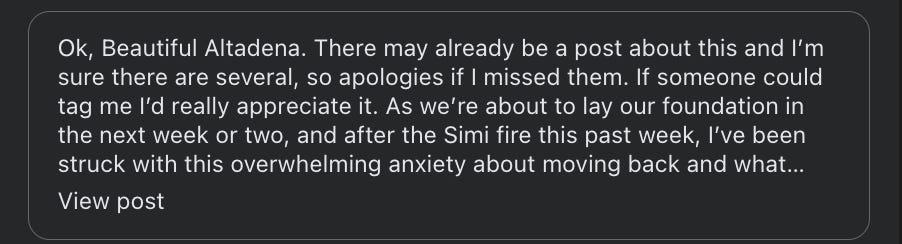
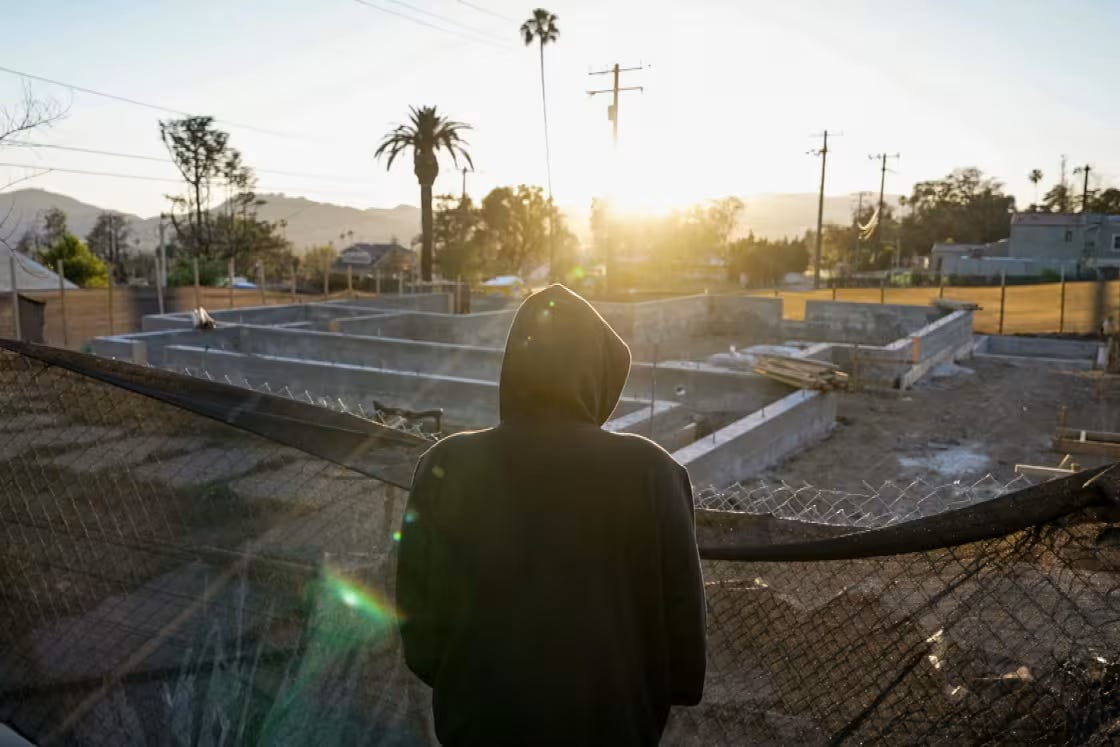
“As we’re about to lay our foundation in the next week or two, and after the Simi fire this past week, I’ve been struck with this overwhelming anxiety about moving back and what happens during the next fire.
I keep wondering who the leadership is going to be that stands up and says, ‘Here’s what went wrong and here’s exactly how we’re going to fix it.’
Where is the plan that says here’s an alert system with redundancies and regular testing that works every time. Here are water systems that still function if the power goes out. And if those systems fail, here’s the backup plan.
Water trucks. Neighborhood safety chains. Pool maps. Communication systems. Support for vulnerable homes. Real coordination.
Where is the person saying here’s our new fire chief, what we demand of them, here’s how departments will communicate with each other, and here’s how we become the best and most prepared fire recovery story in the world.
So I’m asking sincerely, who is running, who is organizing, and who are we voting for, team? We can’t control the next fire but we can control who we vote for to get us ready for it.”
My response was blunt, because after 500 days there is no dodging our reality.
There is no one to vote for so long as we remain under the thumb of the county, and it has become abundantly clear over the last 500 days that the county has little interest in meaningfully addressing or correcting what went wrong.
That reality is one of many reasons more than half of displaced Altadena has not even considered rebuilding yet.
It is also the reason many of us, people who never intended to become activists, policy advocates, investigators, or organizers, have effectively taken on that mantle full time since the fire. The hard questions demand real answers and solutions. And so far, no one in power has been willing to offer them.
Our Brand is Gaslighting
Over the last several weeks, we’ve watched a remarkable series of events unfold.
NBC Nightly News aired a national story featuring Army Corps whistleblowers and extensive reporting on the rushed and incomplete cleanup effort in Altadena. A corresponding digital investigation laid out what many of us here have feared and been documenting for over a year. Altadena did not receive the same cleanup standards that other recent urban wildfire zones received. Not even close.
Unlike communities impacted by the Woolsey Fire in 2018, Altadena did not receive comprehensive 6” lot-line to lot-line scraping. We did not receive universal post remediation soil testing. We did not receive broad re-remediation where contamination remained. Instead, we received a rushed cleanup effort optimized for speed and optics. And now we are being told to trust the same institutions that failed us in the first place.
Shortly after the NBC reporting aired, the EPA finally issued a press release on the long withheld soil testing information many in the community had assumed was quietly shelved because the findings were too politically inconvenient to release publicly. The press release congratulated the agencies involved on a “successful” cleanup effort while notably failing to release the underlying data in any meaningful public-facing way.
Insiders continue to state the original findings were deeply troubling and that the methodology itself, including blended soil sampling practices to dilute the visibility of contamination hotspots, is problematic.
Then came the LA Times headline that said the quiet part out loud.
“Feds declare Eaton fire cleanup was a success. Their testing shows otherwise.”
That headline alone should stop every Californian in their tracks.
This isn’t just about Altadena. It is about whether public agencies can fail catastrophically, declare success anyway, and simply wait for public exhaustion to set in.
They Investigated Themselves and Found They Did Nothing Wrong
Shortly after that news broke, LA County released yet another “investigation” into the fire response. The report conceded conditions were chaotic. But disaster response plans are literally built around the assumption that conditions will be chaotic. That is the entire point.
The report also concluded there was no discrimination or bias in the response impacting historically Black West Altadena despite overwhelming evidence showing that the communities west of Lake bore the brunt of the destruction and experienced some of the most catastrophic response failures.
The report was riddled with holes, inaccuracies, omissions, and in some cases outright falsehoods. One glaring example – the continued insistence that the fire did not jump Lake Avenue until after 5 a.m.
We know that is false. We have timestamps. We have photos. We have videos. We have neighborhood group chats documenting spot fires west of Lake around 1 a.m. and entire streets actively burning by approximately 2 a.m.
Hundreds of residents witnessed this in real time. And yet the official narrative continues anyway. At this point, the gaslighting is not incidental. It is structural. And the one thing that is clear, is that we really are living in a post-truth reality.
Enter the Attorney General
Yesterday, on day 500, I spent more than two hours speaking with investigators from California Attorney General Rob Bonta’s office as part of the ongoing civil rights investigation into the disparate impacts of the fire response in Altadena west of Lake.
For context, I am part of the Altadena for Accountability coalition and strategy team that spent months helping organize, pressure, document, advocate, and push for this investigation to happen in the first place.
This investigation did not emerge out of nowhere. Community members fought for it. Hard. A coalition of disparate fire survivors, activists, and survivors turned activists, led largely by Black women and Essie Justice, worked tirelessly to get this historic, precedent setting investigation into a failed disaster response launched.
An important note is that this investigation does not hinge on proving intent. It hinges on disparate impact. And that impact is undeniable.
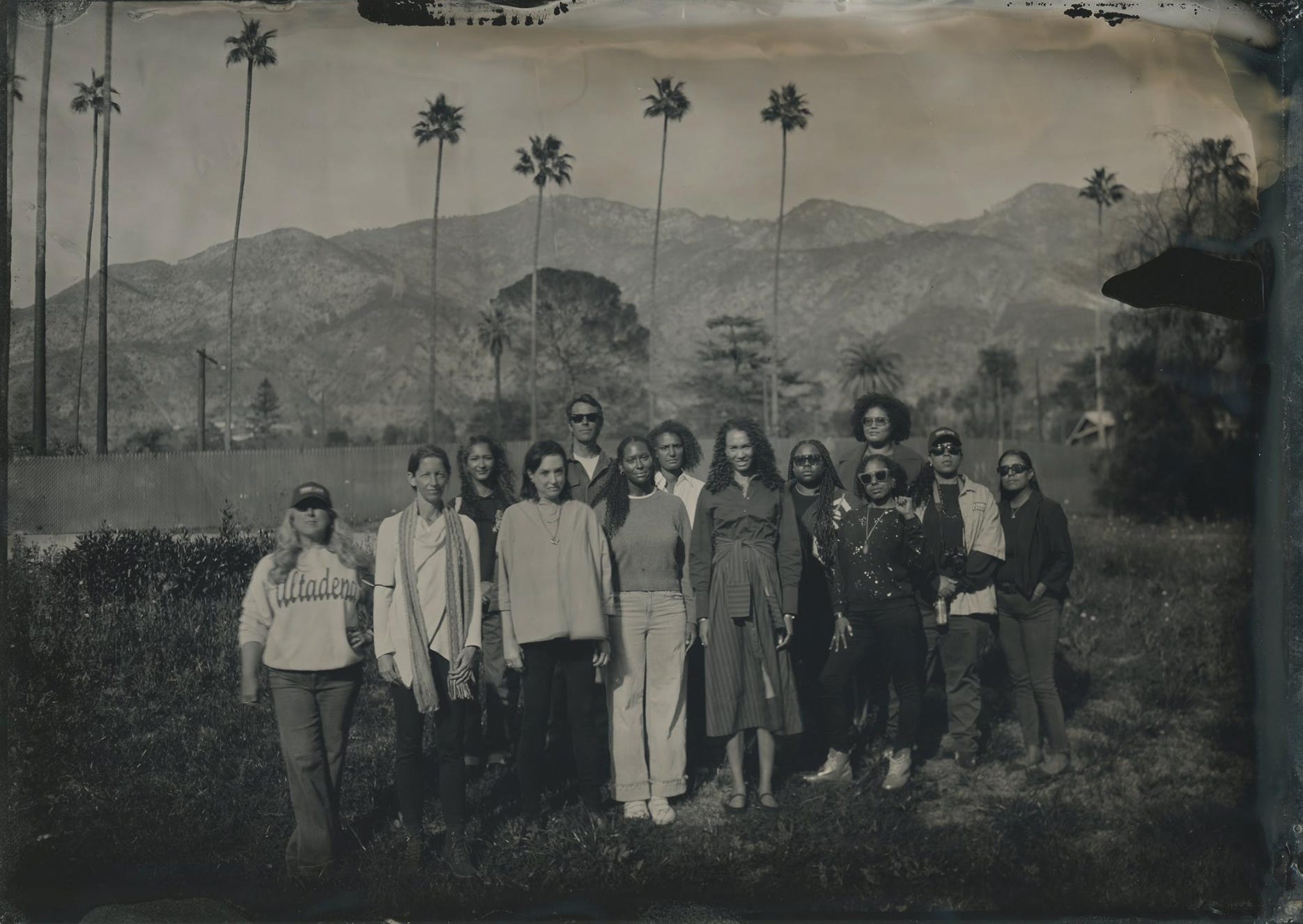
Read the Essence story on the Black women in Altadena leading the accountability movement that I could not be more proud to support and stand with.
That interview itself was one of the more difficult things I’ve done in the last 500 days. Walking chronologically through our neighborhood group chats, evacuation decisions, timestamps, photos, videos, eyewitness accounts, emergency failures, communication breakdowns, and the lived reality of what happened while many of us were desperately trying to figure out whether to flee, shelter in place, or help our neighbors survive. Reading through those messages and reliving that night again was brutal.
But every timestamp matters. Every photograph matters. Every video matters. And every interview matters. Together they form a body of evidence that directly contradicts the false narrative the County and LA County Fire continue telling both the media and the public.
If you are an Altadena fire survivor with a personal experience share, you can contact the DOJ to schedule an interview at eatonfireinfo@doj.gov.ca
The Recovery Economy
I attended a POLITICO Live event this week featuring Mayor Bass and Supervisor Barger. As expected, there was much discussion about the “recovery.” But listening to many of these officials speak after everything we have experienced remains surreal, their talking points are so disconnected from reality. I have never seen people lie with such ease. Like subterfuge is the air they breathe. The gaslighting has become governance.

Meanwhile, many fire survivors continue waiting for meaningful assistance while hundreds of millions of dollars circulate through an increasingly opaque recovery ecosystem of agencies, nonprofits, consultants, intermediaries, administrators, and political entities.
The people most impacted are often the last to see meaningful relief.
We are witnessing “trickle-down recovery” that’s about as effective as trickle down economics. Money flows downward through layers of institutions while survivors remain stuck fighting insurance companies (yes, still, I’m on adjuster #13 with State Farm), displacement, contamination concerns, permitting nightmares, rising construction costs, and emotional exhaustion.
Others including my After the Ashes podcast cohost Stephen Sachs (AltaPolicyWonk) have spoken extensively about the growing concerns surrounding nonprofit structures and the handling of recovery funds, so I won’t belabor that here. But by now, most people recognize the uncomfortable truth. There are still enormous unanswered questions about where all of the money, including the Fire Aid money, has gone. And even bigger questions about where the $22 billion in recovery dollars needed is coming from. Spoiler, no one knows.
The County Is Failing The Rebuild Too
If all of that were not enough, the County is now actively failing the rebuild itself. And not in isolated ways. 500 days later, there is still no coherent vision for rebuilding Altadena responsibly, safely, equitably, or sustainably. And there is no plan for how to address our already antiquated and woefully insufficient infrastructure in light of the coming densification with larger homes plus ADUs on nearly every rebuilt property.
Instead, what we are watching unfold is a chaotic free for all with no meaningful plans or oversight, next to no enforcement, and a total lack of accountability. It’s often described as the Wild West up here and the shoe fits.
Our Community Standards District (CSD) – one of the few mechanisms we had to preserve some semblance of community character and planning consistency – has effectively been made into roadkill. Residents begged for temporary suspension or modification of SB9 during the rebuild so that overdevelopment would not permanently reshape a fire-ravaged community during its most vulnerable moment.
Despite the fact that Barger could use Governor Newsom’s Executive Order to suspect SB9 for our rebuild here anytime (as was done for the Palisades) those pleas have gone nowhere as it becomes more and more clear the County’s only priority is raising the parcel tax to line its coffers.
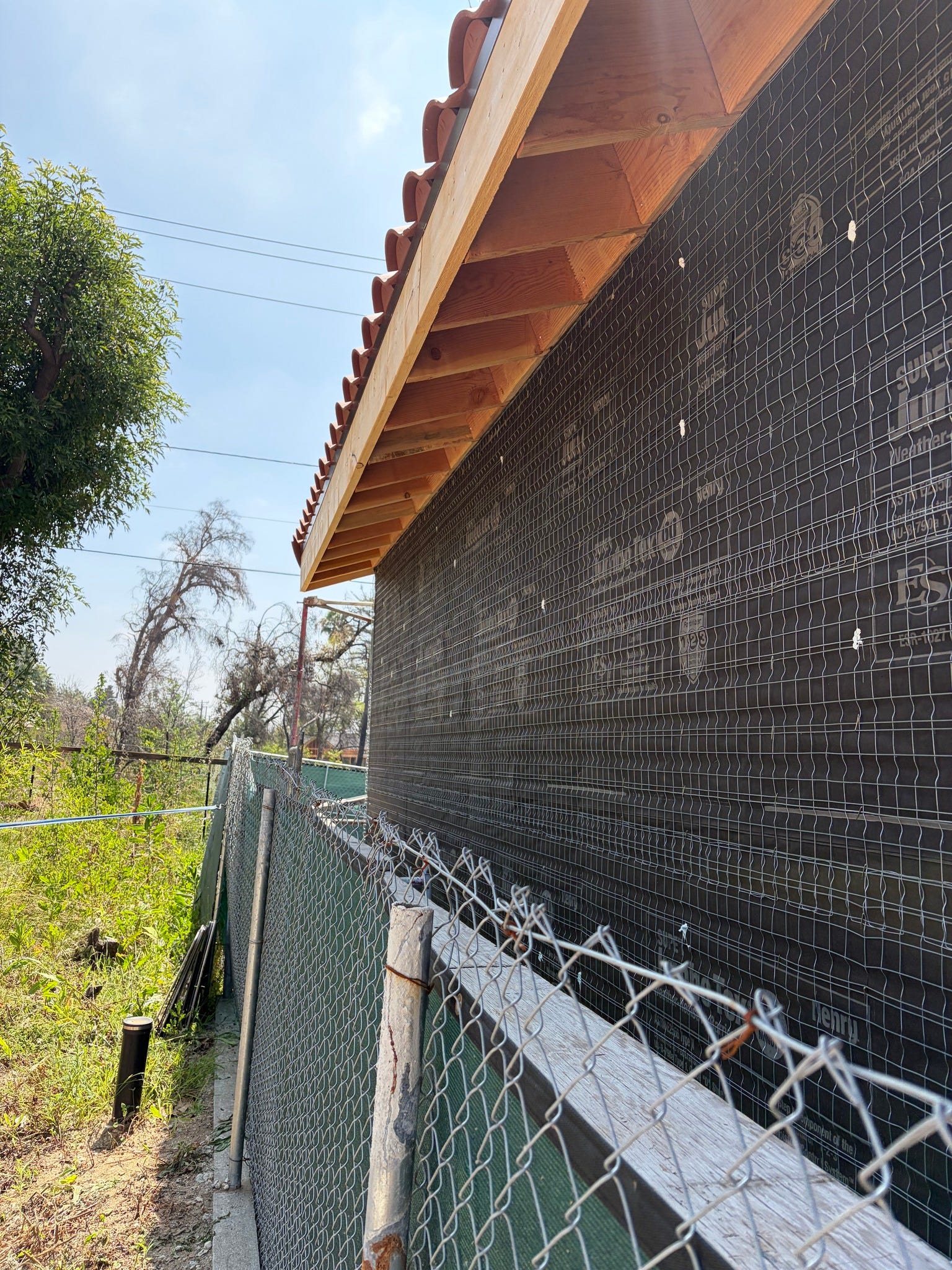
Meanwhile, code enforcement and inspection capacity has become almost non-existent. There are reportedly only five inspectors overseeing one of the largest urban wildfire rebuilds in California history. They are overwhelmed. And insiders continue to report they are being pressured to move projects through quickly and cut corners wherever possible.
The result is predictable. Plans being passed riddled with errors. Code violations being missed entirely. Improper grading and lack of soil compaction for new foundations. Improper setbacks. Questionable unpermitted retaining walls. Construction happening out of sequence. Major issues slipping through plan check and inspection.
And when neighbors raise concerns, the county increasingly responds by calling it a “civil matter.” That phrase has become shorthand for, “We are not going to govern.”
Instead, residents are being told they will have to sue one another in court to resolve issues the county should have prevented in the first place through competent planning, inspection, and enforcement. It is actively pitting neighbor against neighbor.
And it raises an obvious question. What exactly is the County’s role here? Because right now many residents are asking themselves, What are we paying property taxes for?
We did not receive a functioning emergency response. We did not receive a competent disaster recovery. We did not receive meaningful environmental remediation. And now we are not even receiving a properly governed rebuild process. So what exactly is this system delivering besides bureaucracy without accountability?
At some point we have to be honest about what this actually is. This was not a “natural disaster.” There was nothing natural about it. The fire was ignited by a rogue utility. It was then allowed to become an urban catastrophe under the watch of an entirely unprepared and deeply dysfunctional County emergency response system. And now the same County governance structure that failed during the fire is failing during the rebuild.
This is not just disaster recovery failure. It is unnatural disaster governance failure.
Altadena Is Not The Exception
I continue to believe the deeper issue here is governance itself.
Unincorporated Los Angeles County is simply too large, too centralized, and too detached for meaningful local accountability in the modern era. Especially in an age of climate disasters, housing pressures, insurance collapse, infrastructure strain, and increasingly complex emergency response needs.
And this is why I continue advocating not just for Altadena’s incorporation, but for a broader rethinking of how California governs unincorporated communities altogether.
Ultimately, I don’t think Altadena is the only town that needs to incorporate.
I think communities like ours all across California should.
What we are experiencing is the inevitable failure point of an oversized County governance model trying to manage wildly different communities with vastly different needs from a centralized power structure that is too far removed from the people most impacted by its decisions.
The current system concentrates too much power in too few hands with too few checks and balances. For context, the LA County annual budget is $48.8 billion compared to LA City’s that is less than $15 billion. And after 500 days, it has become painfully obvious that communities like Altadena are expected to absorb the consequences while having almost no meaningful control over the systems governing them. That is not sustainable.
The future model I envision is one where towns like Altadena function more like states interacting with a (functional) federal government.
Local communities would maintain meaningful local governance, planning authority, emergency preparedness systems, rebuilding priorities, land use protections, direct accountability to residents, and their own budgets.
Meanwhile, the County would shift toward functioning more as regional infrastructure and support entity — coordinating large scale transportation, utilities, watershed management, funding administration, and regional services.
Communities closest to the problems should have the greatest authority to solve them. Not the least. Right now we have the opposite. The Eaton Fire exposed that this system no longer works, if it ever truly did.
Altadena is not the exception. It is the warning. We are the canary in the coal mine.
This is Not a Partisan Issue
This isn’t a matter of Democrats versus Republicans. This is about power, accountability, and whether communities retain any meaningful ability to shape their own future before the next disaster arrives.
I know there are people here from across many spectrums. I know some of us will disagree on plenty of things. But this should not be one of them.
Fire does not check party registration. Wind does not care who you voted for.
And failure at this scale does not belong to one ideology—it belongs to a system that has grown too comfortable avoiding consequences.This is about competence. This is about leadership. This is about whether our government exists to protect people—or just itself.
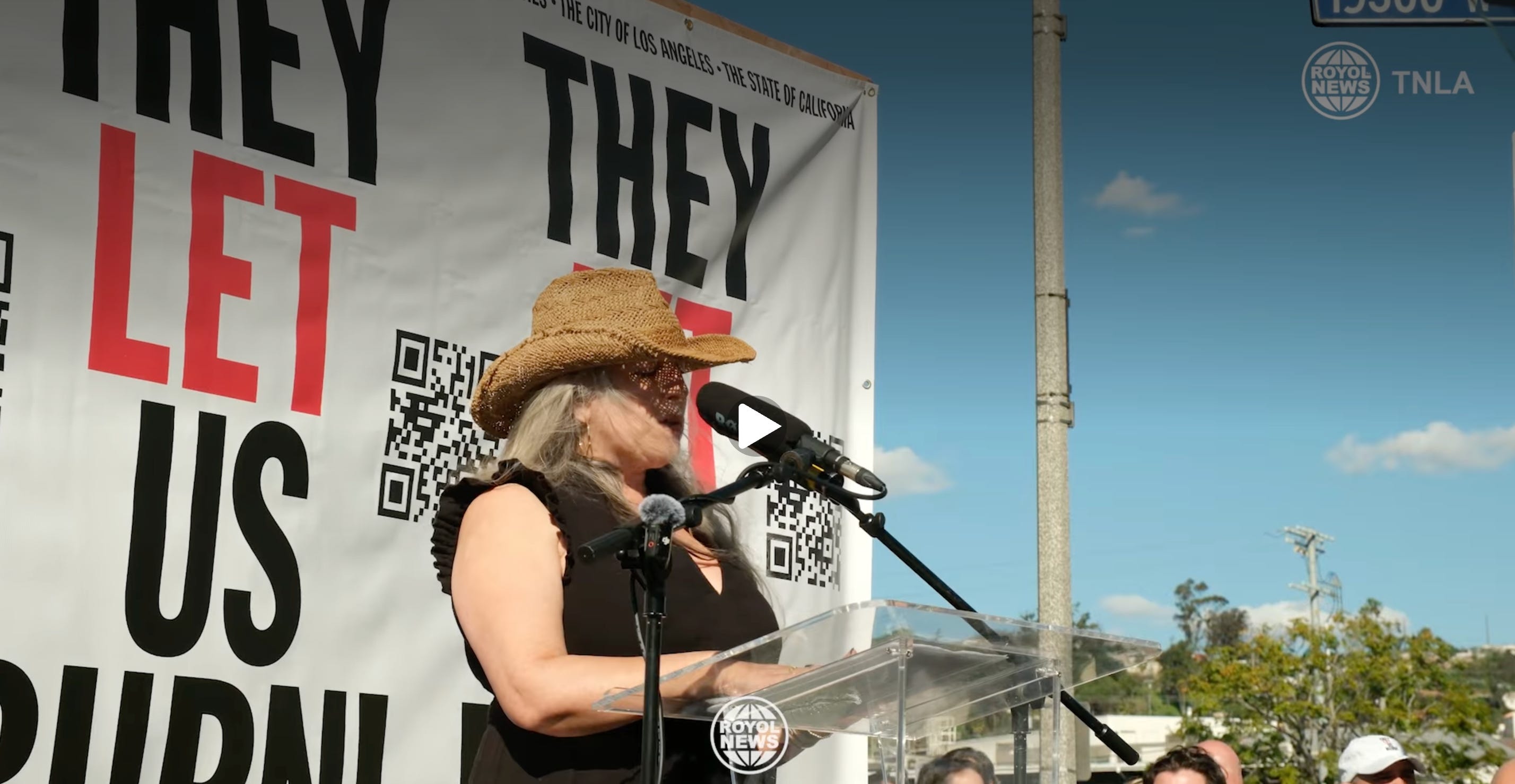
– An excerpt from my speech at the “They Let Us Burn” speech in the Palisades on January 8, 2025
So Where Do We Go From Here?
Honestly, I don’t entirely know yet. Some days it’s hard to know where the fire ends and where we begin again. But I do know this. The last 500 days has forever changed us. Some of us lost homes. Some lost businesses. Some lost health. Some lost family. Some lost trust in institutions we once believed would protect us.
But many have also found purpose, community, courage, and clarity.
The Attorney General investigation gives me some hope. Not because investigations alone solve anything, but because accountability is at least the beginning of change.
And if there is one thing the last 500 days have made painfully clear, it is that the status quo is unacceptable. We can either continue pretending this system works while the disasters after the disaster continue to unfold, or we can demand something fundamentally better.
Not more performative policy. Not PR spin. Not more task forces. Actual structural change. Next time it won’t be Altadena. Next time it will be your town and you deserve better than this too.
The Most Altadena Thing of All
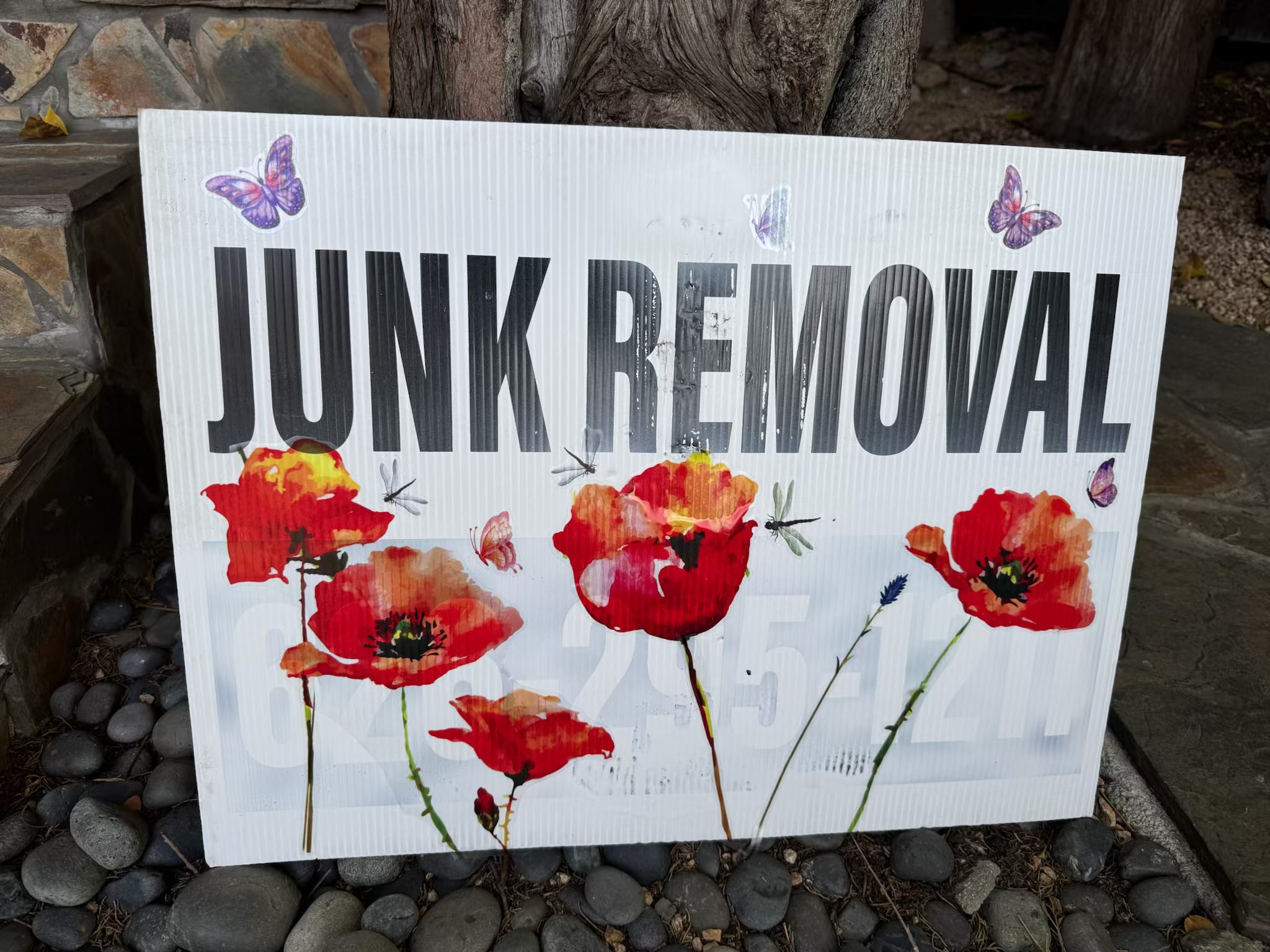
Recently, someone began transforming the illegal contractor signage littering our public rights-of-way into giant cardboard poppies. The same junk signs the County has largely refused to meaningfully address. The same signage residents have complained about for months while being told enforcement has effectively been “relaxed” because the county lacks the resources or political will to manage it during the rebuild.
Another visible sign of governance failure. Another burden shifted onto the community itself. And yet somehow, in true Altadena fashion, our people turned blight into art.
That feels symbolic of these last 500 days. The County creates chaos. The community tries to create meaning from it. Again and again and again.
But at some point, resilience cannot continue meaning “surviving institutional failure.” At some point, resilience must also mean demanding systems that actually function. Communities should not have to endlessly compensate for governments unwilling or unable to do their jobs. That is ultimately what this fight has become about. Not just recovery or accountability or even just Altadena.
It’s whether ordinary people still possess the ability to shape the future of the places they love before those places are permanently reshaped for them.
If we want to keep Altadena wild and feral and weird, incorporation is our only path back.


A Podcast Note
One final note. Steve and I will be taking a short hiatus from “After the Ashes” while we are both traveling, but we’ll be back in mid-June with a lot to discuss. And there is no shortage of things to discuss.
Until then, if you haven’t caught up yet, now’s the perfect time. We’re currently up to Season 2, Episode 16 with forty episodes published. The archive tells the story of this recovery in real time. And as we like to say, we have receipts.
Five hundred days later, the story is still unfolding. And unfortunately, so is the disaster.
My brush w LA Cty ended w our throwing up our hands & moving away from our forever home. As a rule, one can’t resent th LA Cty Supervisors enough.
Malibu might be a place to look for inspiration. They've been in go-it-alone mode since the Woolsey fire failures (that were repeated in Palisades)
What's clear from listening to Chief Marrone's continual victory speech (and reports) is that they have Zero plans to approach fires any differently in the future. In their minds the onus is on the property owners to "harden their homes". The notion that firefighters will defend your home (and crucially - that "Mutual Aid" from neighboring communities Fire Depts will come help - directed by the County) turns out to have been an illusion so many learned when they fled that night.
Community Fire Brigades appears to be the only really honest solution right now - Malibu is currently a model with real people to talk to. Altadena doesn't need a few more fire trucks - it needs a thousand residents with gear and some training. I'm not sure where that process is at right now - has it already started?
In any event - I don't think Marrone and company realize what a dangerous message they have sent - I for one wouldn't dream of evacuating knowing that no one will defend my home.