

A Note From Portugal
We aren't the only ones facing a future with fire, but we are the only ones doing nothing proactive about it

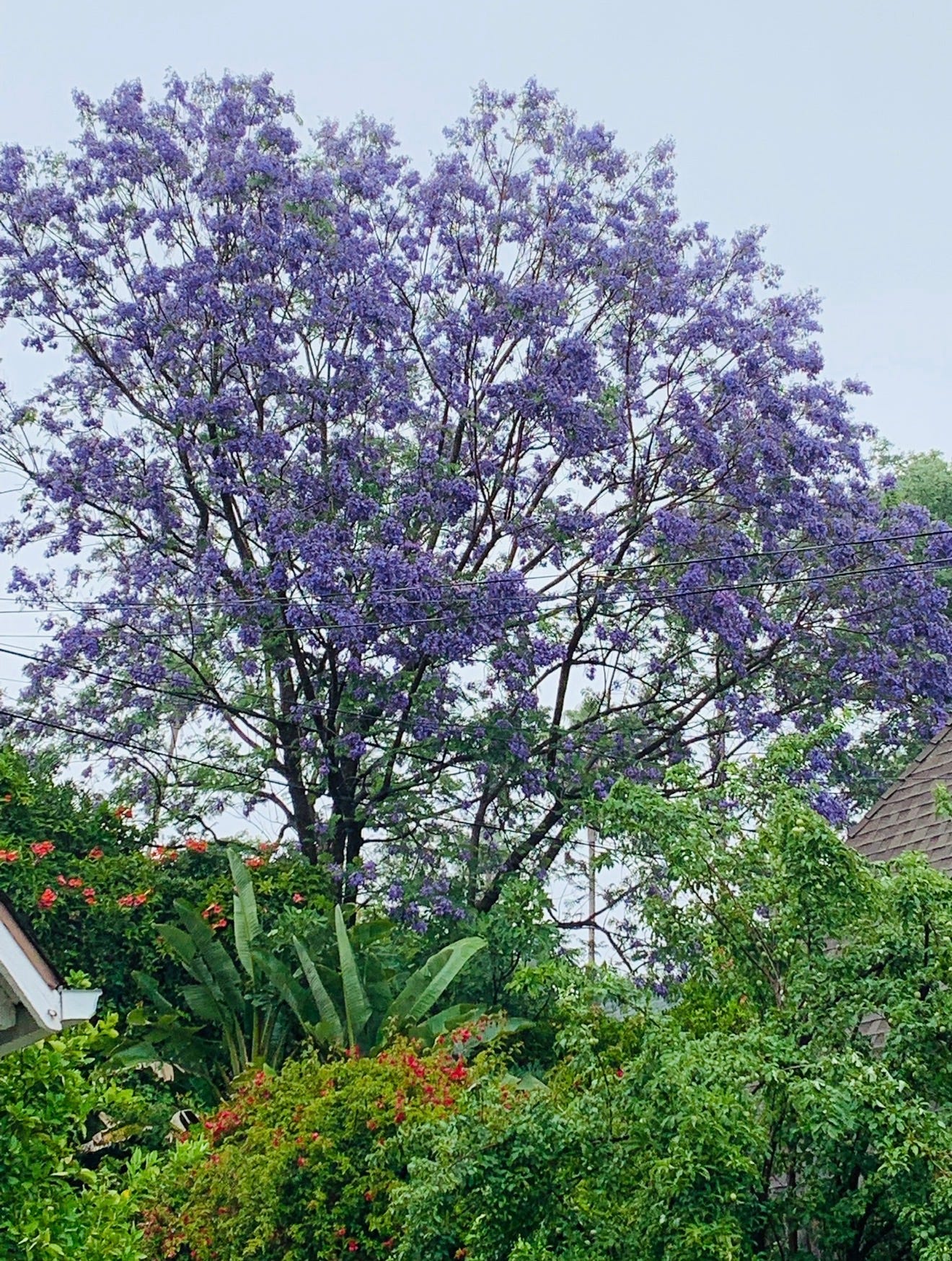
I’m writing this from Portugal where everywhere I look, I see reminders of home.
Not the architecture. Not the language. The landscape.
Hills. Towering trees. Magnolias. Redwoods. Camellias. Lantana. Trumpet flowers. Nasturtium. Bougainvillea spilling up and over walls. Jacarandas exploding with purple blooms in every direction. Wildflowers from clover and daisies to reddish poppies filling every available space. Birdsong. Peacocks! In many ways, it looks remarkably like we did before January 7.
Portugal also shares something else with us. An increasingly uncomfortable relationship with wildfire.
Like us, Portugal has experienced devastating fires that have threatened communities, destroyed homes, taken lives, and forced difficult conversations about climate change, land management, emergency preparedness and public safety. But one thing becomes immediately apparent when you spend time here.
Unlike us, they are trying.
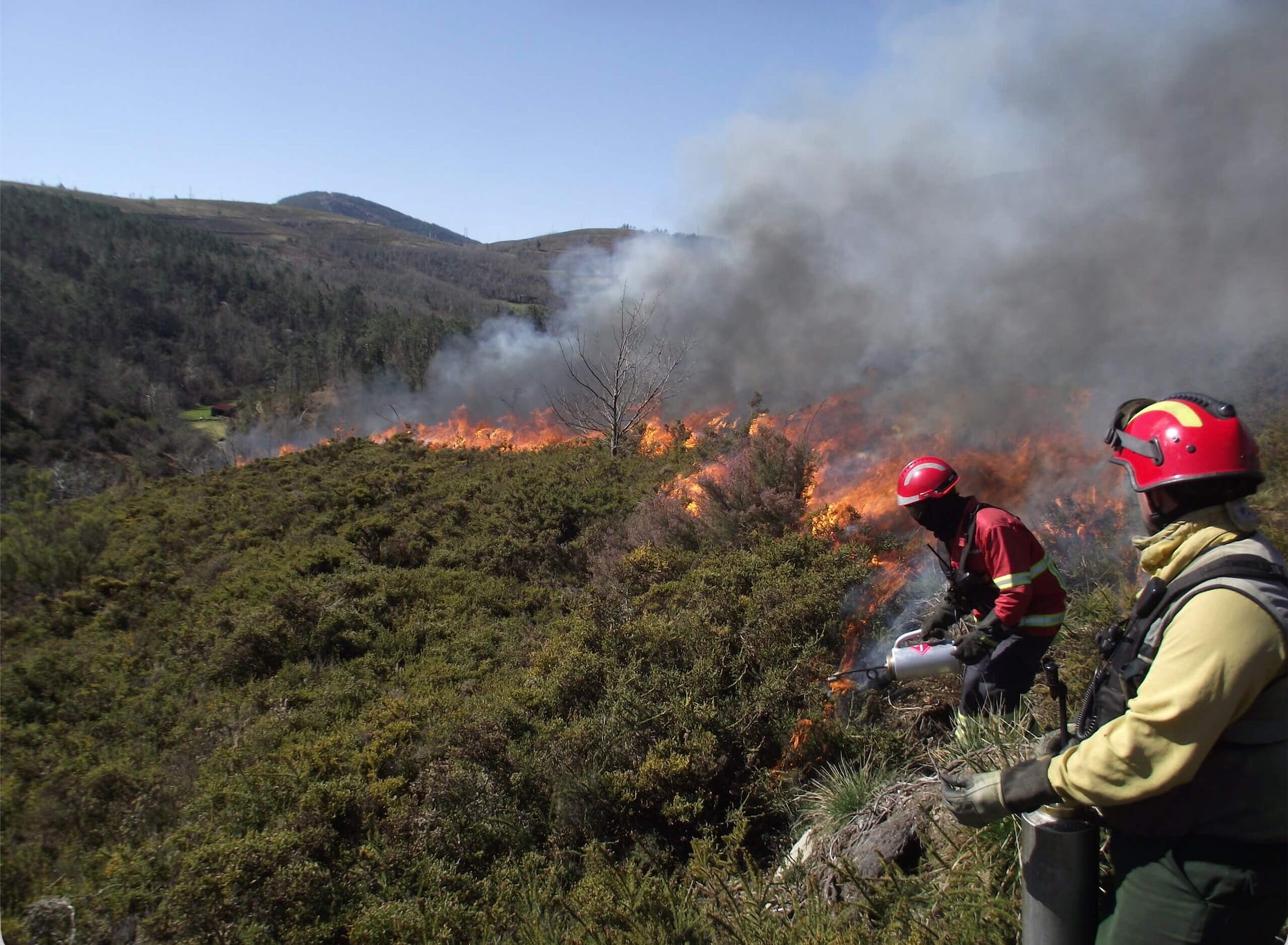
Portugal has made significant investments in wildfire mitigation and response. Aggressive vegetation management visible when you drive through the countryside. Fuel reduction programs. Community protection initiatives. Expanded firefighting resources. Modernized emergency response systems. Public education campaigns. A record expansion of the national firefighting infrastructure. Continuous investment in preparedness before the next fire inevitably arrives. Not because they have unlimited resources, but because they decided it was a priority.
Which raises another uncomfortable question for those of us here in Los Angeles County. If Portugal can do this, why can’t we? We live in one of the wealthiest nations in the world, in one of the wealthiest states, in one of the wealthiest counties. The problem is clearly not a lack of money, even if our electeds burning it would like to spin it that way. After the Eaton Fire, billions of dollars have been discussed, allocated, announced and spent.
The problem isn't money. It never has been. It's something far more difficult to solve. Leadership. Governance. Priorities. The willingness to invest in prevention instead of constantly paying for failure.
The willingness to build systems that work before a disaster instead of throwing our hands up afterward on why they didn’t. Or worse, putting our heads in the sand and pretending it didn’t happen while learning and changing absolutely nothing.
Because standing here, thousands of miles away, looking at a landscape that feels so familiar, it becomes impossible not to ask. Why do other places seem capable of learning from catastrophe while we continue debating whether one even occurred?
More to come on this when I am back – along with discussion of the latest LAT reporting on the overwhelming failure of the fire response, some discussion on the NBC investigative story on Governor Newsom's $2.5 billion fire recovery fund that never made it to fire survivors, and my thoughts on how the next LA county CEO actually has an opportunity to completely rewrite the script, but is there anyone with the spine to do it – but some thoughts need to be put to paper in the moment.


The obvious...same climate, different results. I guess Zone Zero is not a thing there?
Enjoy Portugal!!!