

Same Story, Different Zip Code
Another toxic fire, a broken system, Altadena faces a June 24 deadline to protect a survivor led recovery and demand equal treatment, plus how to stay safe

Happy Summer Solstice. Happy Father’s Day. Happy International Yoga Day.
On the longest day of the year, we should be outside enjoying our neighborhoods, our parks, our patios, our families, and the simple joys of Southern California summer.
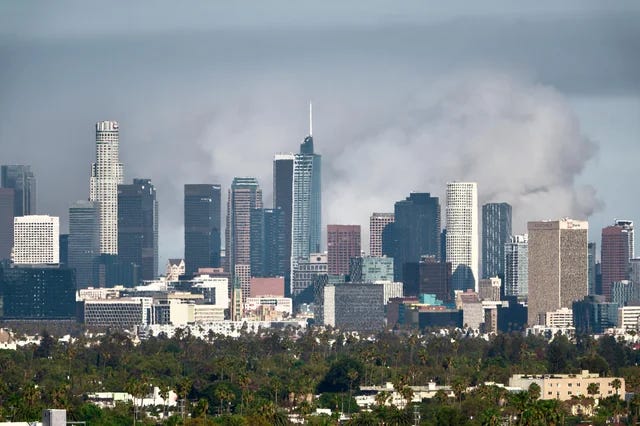
Instead, millions of Angelenos are checking air quality maps, closing windows, canceling plans, running air purifiers, and wondering exactly what they’re breathing as toxic smoke from the Boyle Heights warehouse fire spreads across the region.
I had every intention of spending this Summer Solstice writing about something more uplifting, like all of our beautiful Juneteenth celebrations.
Instead, I spent the morning driving to yoga only to have class canceled because staff were concerned about the smell of smoke inside the studio. Large industrial fans were running in the room and they ultimately decided they weren’t comfortable asking people to spend an hour intentionally taking deep breaths and inhaling whatever happens to be floating through the air right now. A short time later, the entire gym was closed because an oily film had reportedly settled onto equipment throughout the facility.
This was in South Pasadena.
Miles from the fire.
Sound familiar?
Many of us learned after the Eaton Fire that some of the heaviest contamination from our disaster landed well outside the burn area in communities like Eagle Rock and Northeast Los Angeles. Yet most people living there had no idea. No warnings. No guidance. No insurance coverage. No support.
Contamination doesn’t care about city boundaries. The smoke didn’t care about ZIP codes. The fallout didn’t stop at the edge of the disaster zone. And yet our systems continue to act as though these events affect only the communities where the flames are visible. They don’t.
Today, residents throughout Los Angeles are experiencing the same uncertainty many of us experienced after January 8. What exactly is in the air? What are we being exposed to? Who is responsible? And why does it feel like no one is looking out for us?
Meanwhile, residents in nearby unincorporated communities are discovering another painful reality. They are not receiving the same treatment as some of their incorporated neighbors.
Reports continue to surface of inconsistent notifications, uneven resource distribution, and a lack of clear public communication. Residents are asking why they aren’t receiving the same protections, resources, and urgency afforded elsewhere. They deserve answers and, like us, they deserve better.
The looming question is why a company with a documented history of environmental and labor violations was allowed to continue operating in a manner that created this risk in the first place, not unlike how SCE was allowed to continue to get away with what it did – and continues to get away with since the Eaton Fire.
This is’t just another fire story. It is a story about oversight. Accountability. And who bears the consequences when government fails to act. The story feels familiar because it is familiar.
For decades, communities like Boyle Heights, East Los Angeles, and Altadena have been expected to accept a different standard of governance than wealthier and more politically connected communities. When disaster strikes. When pollution spreads. When warnings fail. When resources are distributed unevenly. When major decisions are made without meaningful community input. The same communities carry the burden. The same communities are expected to simply accept it.
East Los Angeles recently fought for incorporation and lost after an uphill battle against a system that has little incentive to surrender control.
Altadena continues to discover the consequences of having no local government, no local accountability, and no meaningful seat at the table when decisions are made.
At some point we have to ask ourselves, How much longer are unincorporated communities expected to accept taxation without representation?
Because whether the issue is environmental contamination, wildfire recovery, public safety, land use, infrastructure, housing policy, or disaster planning, the answer cannot always be that decisions will be made somewhere else and local residents should simply be grateful for whatever happens next.
The lesson from Boyle Heights is not simply that disasters happen. Disasters happen everywhere. The lesson is that communities without political power are often the last to be warned, the last to be heard, and the last to receive protection.
Communities without meaningful representation often find themselves fighting the same battle. Trying to convince the people making decisions that their lives matter just as much as everyone else’s.
Back to Recovery Before Density
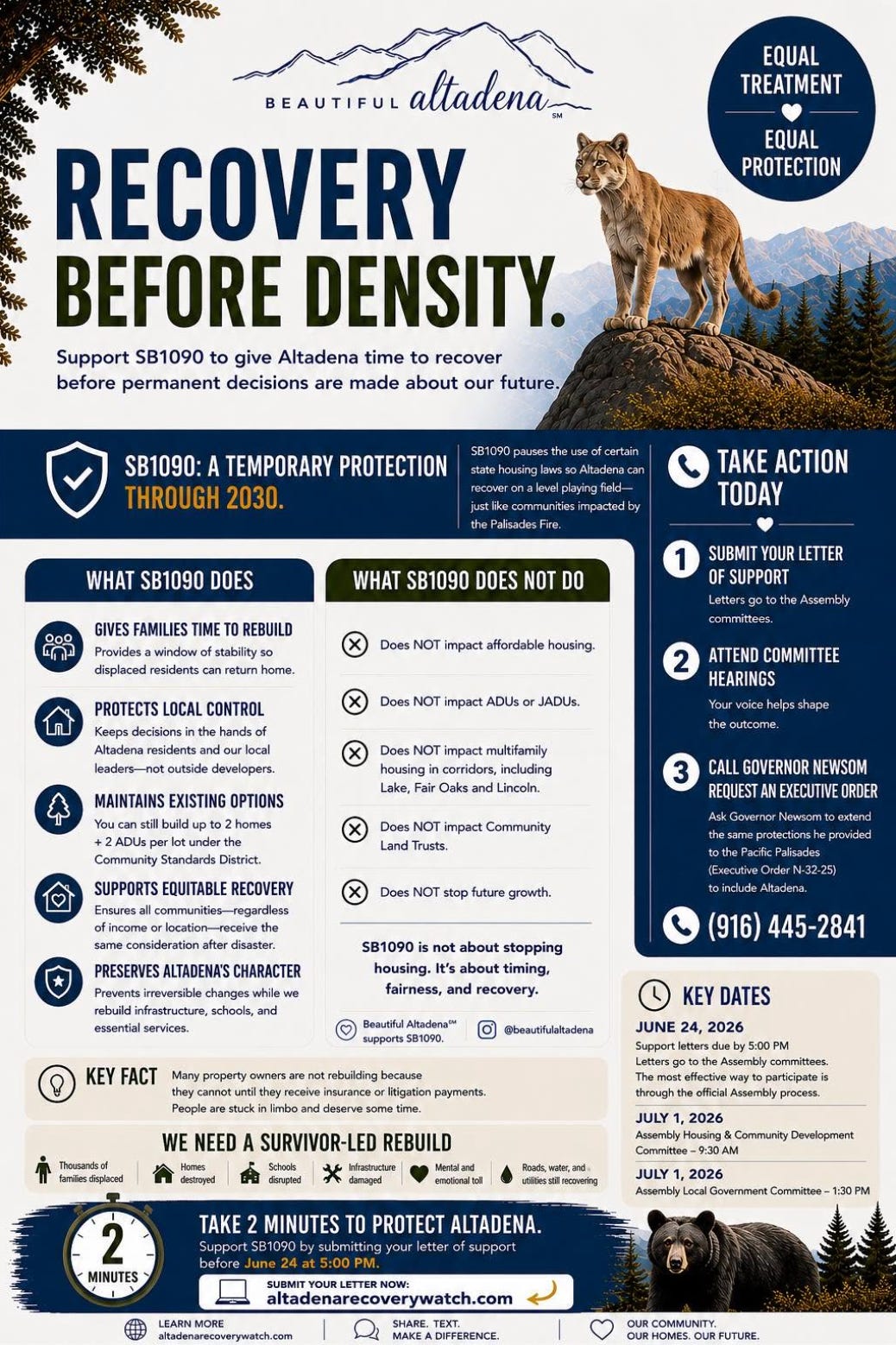
In recent weeks, a coalition of community organizations, preservation advocates, recovery leaders, and concerned residents has come together in support of SB1090 as a temporary recovery measure that gives Altadena time to rebuild before permanent decisions are made about the community’s future.
This effort includes concerned residents working through Altadena Recovery Watch, our Beautiful Altadena, Altadena Heritage, Sustainable Community Development Corporation, and other community stakeholders who may not agree on every issue but share a commitment to a thoughtful, survivor led recovery.
SB1090 provides a temporary pause through 2030 on certain state housing laws so Altadena can recover on a level playing field with communities impacted by catastrophic wildfire. It gives displaced families time to rebuild and return home. It protects local decision making during recovery. It preserves existing rebuilding options under the Community Standards District (CSD). It supports equitable recovery across neighborhoods. And it prevents irreversible changes while schools, roads, utilities, water systems, and essential infrastructure are still recovering.
Importantly, SB1090 does not impact affordable housing. It does not impact ADUs or JADUs. It does not impact mixed use and multifamily housing in designated transit corridors including Lake, Fair Oaks, and Lincoln. It does not impact Community Land Trusts. And it does not stop future growth.
This is not about stopping housing. It is about timing, fairness, and recovery.
URGENT ACTION NEEDED
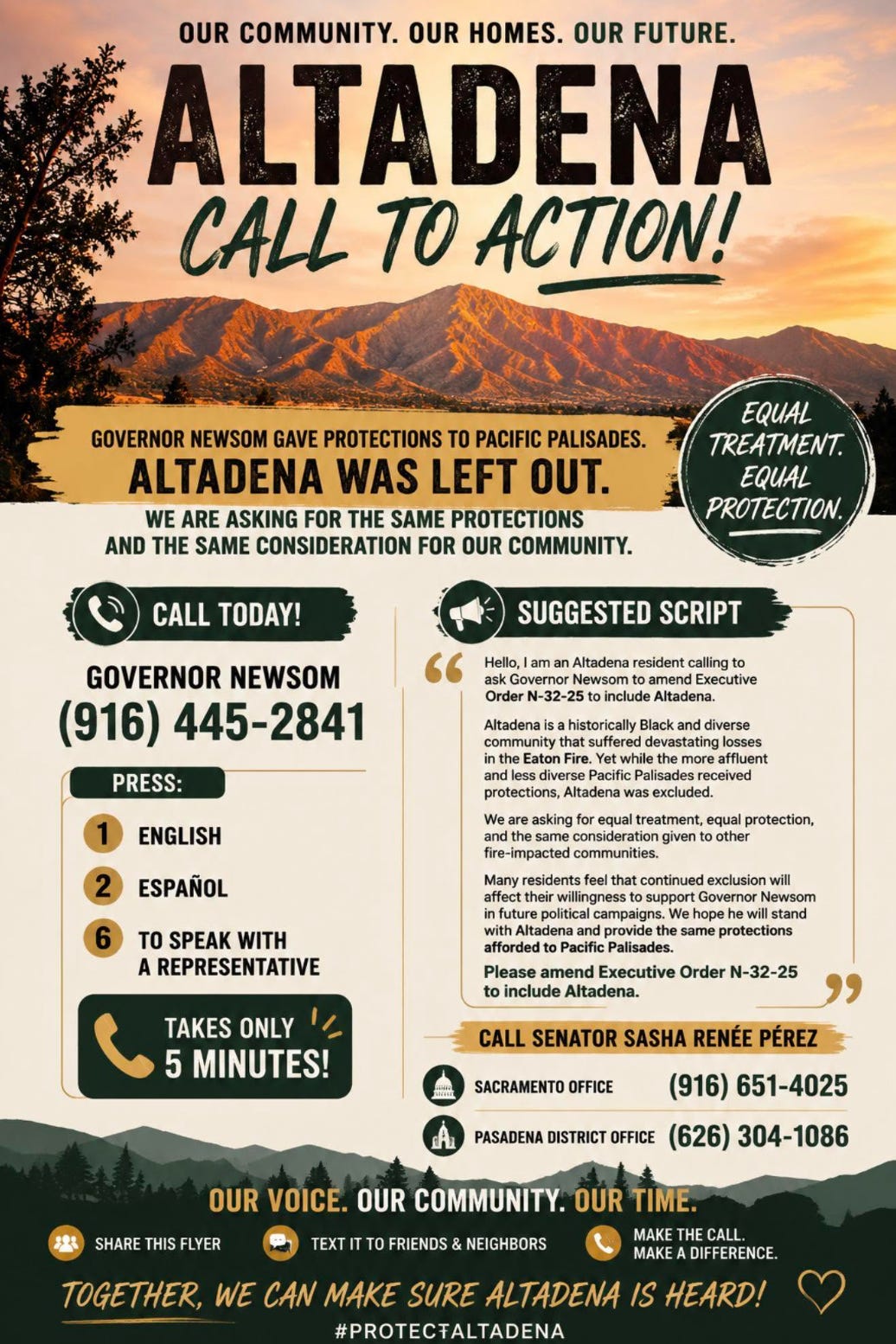
Most troubling of all, Altadena is still being treated differently than Pacific Palisades.
Governor Newsom issued Executive Order N-32-25 providing wildfire recovery protections for Pacific Palisades. Those same protections were not extended to Altadena despite both communities suffering catastrophic wildfire losses. Equal treatment should not depend on ZIP code. Equal protection should not depend on political influence. If these protections are appropriate for Pacific Palisades, they should be appropriate for Altadena.
Submit Your Letter of Support NOW
Support letters must be submitted by: Tuesday, June 24 at 5:00 PM
The easiest way to participate is through the Assembly letter portal: altadenarecoverywatch.com. It takes approximately two minutes to do this using the Altadena Recovery Watch website.
Call Governor Newsom TODAY
Ask Governor Newsom to extend the same protections provided to Pacific Palisades to Altadena.
Governor Gavin Newsom
(916) 445-2841
Suggested message:
“I am calling to request that Governor Newsom extend the same wildfire recovery protections provided to Pacific Palisades to Altadena. Recovery should not depend on ZIP code. Altadena deserves equal treatment and equal protection.”
Attend the Sacramento Hearings
July 1 at 9:30 AM
Assembly Housing & Community Development Committee
July 1 at 1:30 PM
Assembly Local Government Committee
Organizations: We Need Your Voice Too
Individual letters matter. Organizational support may matter even more.
We are actively encouraging additional neighborhood groups, nonprofits, preservation organizations, environmental groups, faith communities, business organizations, recovery organizations, and civic groups to join us in this effort.
The reality is that this legislation faces significant opposition from well funded statewide and county organizations that do not live here, did not experience the Eaton Fire, and will not live with the long term consequences of the decisions being made for Altadena.
If survivor voices are going to be heard, we need a broad coalition willing to stand together and stand for us.
This is not a NIMBY versus YIMBY issue. It is not a pro-housing versus anti-housing issue. It is a recovery issue. It is a fairness issue. And it is a community self-determination issue.
Please don’t assume someone else will do it. They won’t. We all need to step up.
The deadline is June 24.
Looking Beyond the Immediate Deadline
While the June 24 letter writing deadline comes first, the broader conversation about Altadena’s recovery, rebuilding, and long term future will continue well beyond this critical week.
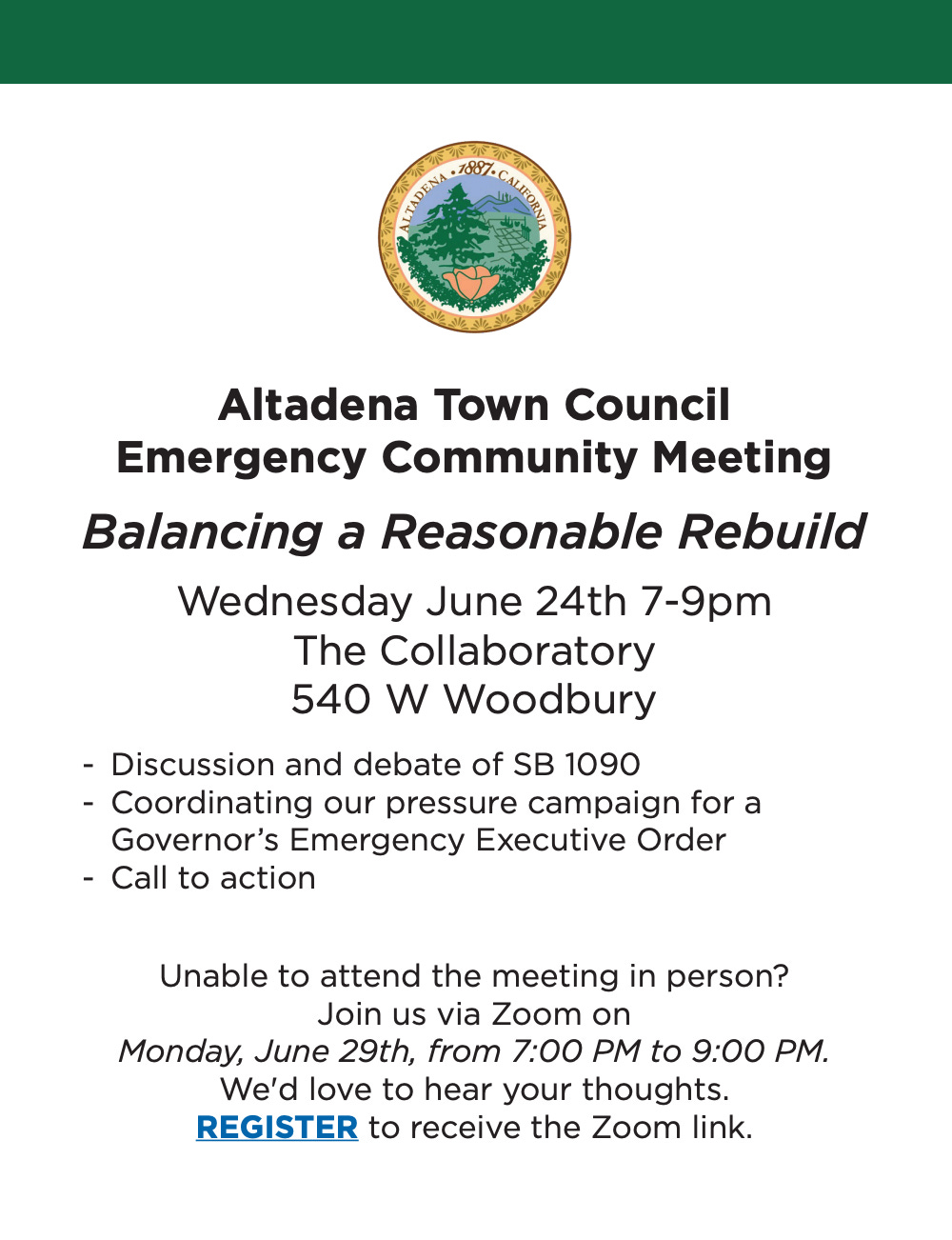
For residents who want to learn more, ask questions, engage in discussion, or participate in ongoing advocacy efforts, the Altadena Town Council is hosting an emergency community meeting focused on rebuilding, SB1090, and efforts to secure equal treatment for Altadena through an Executive Order from the Governor.
Altadena Town Council Emergency Community Meeting
Balancing a Reasonable Rebuild
Wednesday, June 24
7:00 PM – 9:00 PM
The Collaboratory
540 W. Woodbury Road
Altadena, CA
Topics include:
• Discussion and debate regarding SB1090
• Coordinating advocacy efforts around a Governor’s Emergency Executive Order
• Community questions and public discussion
• Next steps for Altadena’s recovery
Unable to attend in person? A virtual community meeting will also be held:
Virtual Town Hall
Monday, June 29
7:00 PM – 9:00 PM
Register online via Zoom
If you support SB1090, please do not wait for the meeting to take action. Submit your support letter before the June 24, 5:00 PM deadline first. Then join the conversation about where Altadena goes from here.
About That Smoke… Protect Yourself and Your Family
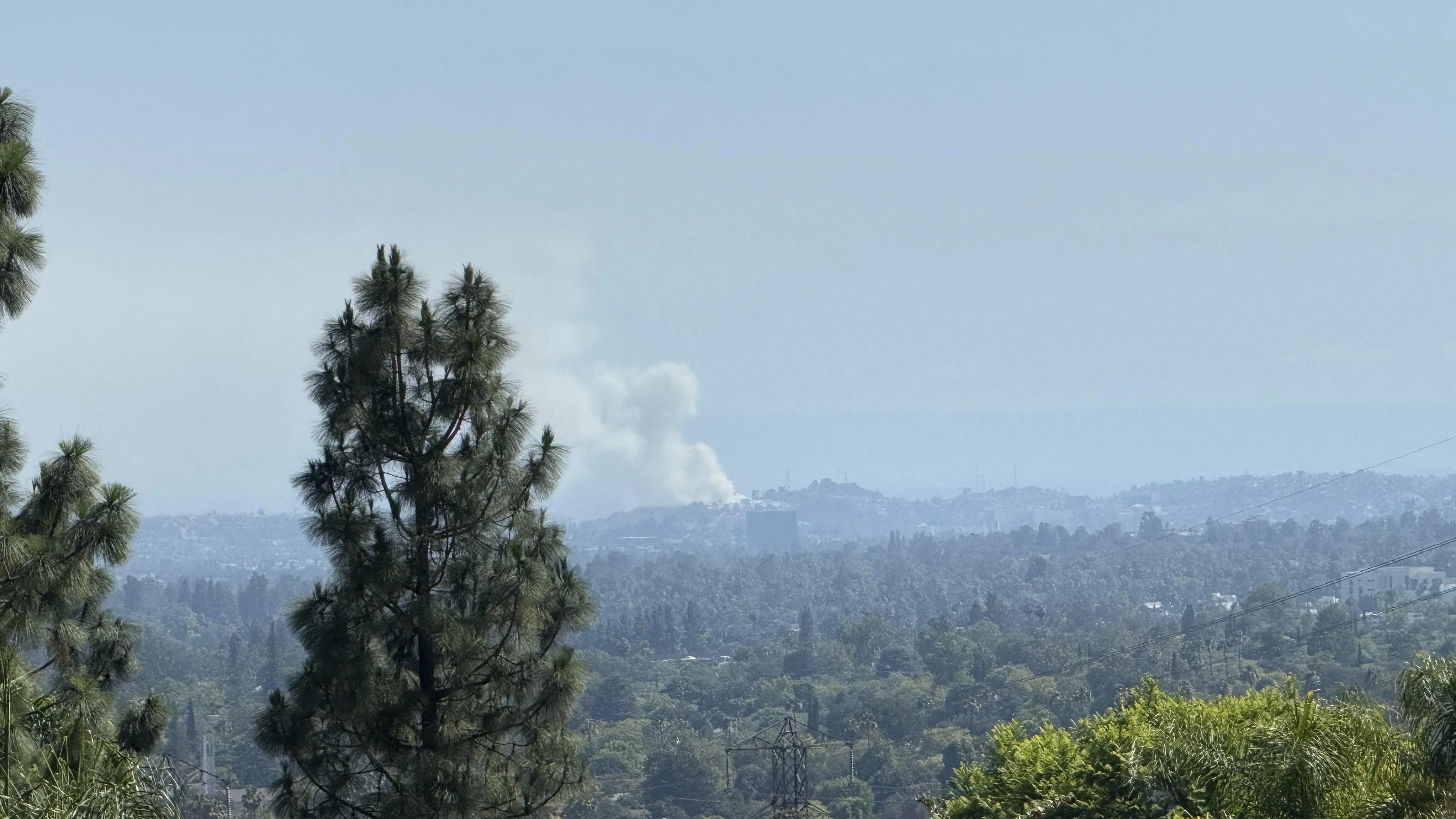
Until this fire is fully extinguished and air quality conditions stabilize, please take precautions. Many of us unfortunately received a crash course in toxic smoke exposure after the Eaton Fire. We know that what you can see is not always the full story, and what you can’t see can still be harmful.
AQI maps are useful, but they are not always enough. Conditions can vary dramatically from neighborhood to neighborhood and even hour to hour depending on wind direction, topography, and localized smoke plumes.
For that reason, I strongly encourage everyone to monitor hyper-local conditions using PurpleAir and other neighborhood level monitoring tools.
Some practical steps to consider:
• Run HEPA air purifiers whenever possible.
• Keep doors and windows closed when smoke conditions are present.
• Replace HVAC and air purifier filters more frequently than usual.
• Limit strenuous outdoor activity.
• Bring pets indoors whenever possible.
• Consider wearing an N95 mask during prolonged outdoor exposure.
• Wash exposed skin and hair after significant outdoor exposure.
• Pay attention to symptoms including headaches, eye irritation, coughing, sore throats, dizziness, fatigue, or breathing difficulties.
Most importantly, don’t assume conditions are the same everywhere. One neighborhood may be completely clear while another a few miles away experiences significant smoke exposure. A shift in wind direction can change conditions in a matter of hours.
Look out for yourselves. Look out for your neighbors. And don’t wait for an official alert to take reasonable precautions. Too many of us have learned that lesson the hard way. The only real health advisory we’ve seen has come from the statewide California Department of Public Health advisory so do your own diligence on this one.
A Quick Personal Note
Thanks for sticking with me here. I know this has been a lot. Honestly, I know many of you are probably opening these emails hoping for updates on rebuilding, local businesses, community events, gardens, restaurants, travel stories, or literally anything other than another disaster, another government failure, or another urgent call to action. Trust me. So am I.
The last eighteen months have asked more of this community than should ever be asked of any community. Yet here we are. Still showing up. Still helping one another. Still fighting. And still refusing to let other people decide our future for us.
So thank you. Thank you for reading. Thank you for caring. Thank you for continuing to engage even when the topics are heavy, the news is frustrating, and the asks keep coming.
I promise we’ll get back to celebrating what makes Altadena special. We’ll get back to highlighting local businesses (you can catch our Small Biz Shout Outs at the end of every podcast). We’ll get back to history, gardens, food, small biz, and all the reasons we chose to build our lives here.
But first we have to save what’s left of our town. And I’m not going to stop fighting for this community because it is worth fighting for. Altadena is worth fighting for. Our neighbors are worth fighting for. And every community being treated as expendable by the people entrusted to protect them is worth fighting for. No one organization, neighborhood group, or resident can do this alone. If we want a survivor led recovery and a safe community to return to, we need to show LA County and Sacramento that Altadena is united and we will not back down.
Now here’s some good news for your Sunday!